
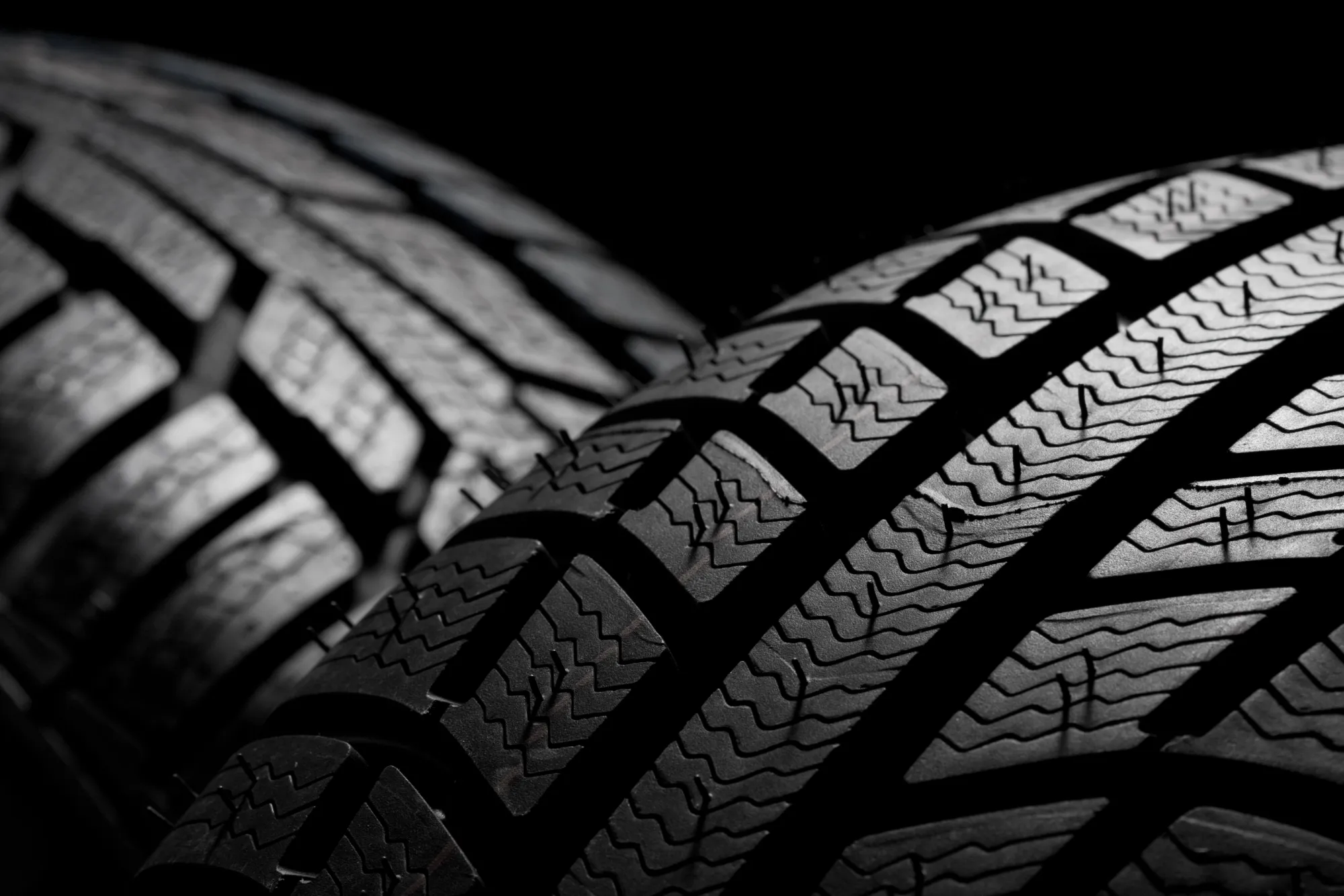
If you notice your tires humming after rotation in Baton Rouge, the rotation may have made an existing tread wear pattern easier to hear. Moving a tire to another position, and sometimes changing its rolling direction, changes how its tread meets the road. The timing is useful information, but it does not show that the rotation caused the wear.
Tire noise after rotation can also have more than one explanation. An uneven tread pattern may be the source, but road surface and other vehicle conditions can affect what you hear. If the hum persists or comes with vibration, pulling, or visible damage, a tire inspection is the way to identify the cause.
Why moving a tire can change its sound
Each tread block makes contact with the road as the tire rolls. Tire Rack explains that uneven wear changes the size and shape of those blocks, which can increase pattern noise. A tire that was quieter in its previous position may sound more noticeable after it moves, even though the wear was already there.
One pattern a technician may find is heel-toe wear: the leading and trailing edges of tread blocks have worn to different heights. Hyundai’s tire maintenance guidance says this pattern can cause tire noise. Another is cupping, also called scalloped wear, where the tread has repeated low spots. Cupping can have several possible causes, including imbalance, alignment that is out of specification, or worn suspension parts. The sound alone cannot tell you which, if any, is present.
Rotation helps share wear among tire positions, but it cannot instantly smooth an established pattern. A new hum after service is a reason to check the tread before drawing a conclusion about its cause.
That distinction matters when you describe the problem. “It started after the rotation” tells a technician when you noticed the sound. It does not identify which tire is making it, or whether the tread, pavement, or another part of the vehicle is involved. A tire that moved from the rear to the front may be easier to hear from the driver’s seat. If its tread was already uneven, the change in position can draw attention to that pattern. The inspection can test that possibility by examining the tire itself instead of relying on timing alone.
The shape of the wear matters, too. Heel-toe wear is a difference between the edges of individual tread blocks, while cupping appears as repeated low areas along the tread. Those descriptions are useful clues, not interchangeable diagnoses. According to Hyundai’s maintenance bulletin, cupping has several possible contributing conditions. A technician needs to look at the wear and the vehicle before recommending balancing, alignment work, or any other response.
What should you notice about the hum?
Before arranging a tire inspection, note a few details you can describe to the technician:
- Speed: Does the hum become more noticeable as road speed rises, or stay about the same?
- Pavement: Does it change on a different road surface? Tire Rack notes that pavement itself can affect the sound a driver hears.
- Other symptoms: Is there a shake through the steering wheel, or does the vehicle pull on a straight, level road? NHTSA associates wheel imbalance with vibration and alignment concerns with veering. If pulling is part of the picture, our guide to why a vehicle veers left or right may help you describe it.
- Timing: Did the sound begin immediately after the rotation, and is it steady, fading, or becoming more noticeable?
These clues help narrow the inspection. They do not establish a diagnosis from the driver’s seat. You can also look for obvious uneven tread wear or damage and check cold tire pressure against the vehicle’s door label or owner’s manual, as NHTSA recommends.
Try to describe the sound under similar conditions when you compare drives. A hum that seems stronger on one stretch of pavement may sound different on another even if nothing changed about the tire. If it consistently rises as the vehicle moves faster, mention that pattern along with the rotation date. If you also feel a vibration, say where you notice it. That combination gives a tire technician more to work with than “the tires are noisy.” Avoid deciding on a cause from sound alone, since different concerns can produce overlapping symptoms.
Also note if the hum is present on every drive or only occasionally. If you have a record of which tires were moved where, share it, but you do not need to reconstruct the rotation pattern yourself. The useful point is whether the symptom appeared right after the positions changed and whether it has persisted. A change that fades may still be worth mentioning at the next visit; a sound that grows louder calls for a closer look sooner.
When is a tire inspection needed?
Have the tires inspected if the hum persists, gets louder, or arrives with vibration, pulling, or visible uneven wear or damage. NHTSA advises consulting a tire professional when tire noise or vibration appears. If you see a bulge, cut, or other damage, have it assessed promptly.
A technician can compare the tread and condition of all four tires, check pressure, and look for heel-toe wear or cupping. Findings may point to a balance check, alignment assessment, or closer examination of suspension components. Plantation Tire & Auto lists tire inspections, pressure checks, balancing, and alignment among its tire and wheel services. The inspection findings determine the next step.
During that visit, ask what the tread shows on each tire. A pattern concentrated on one tire tells a different story from similar wear on several tires. The technician can compare tread condition and pressure across the set, then decide whether balance or alignment needs checking. If cupping is present, Hyundai’s guidance also points to suspension components as something to inspect. The goal is to find the reason for the wear as well as the source of the noise; simply moving the tires again may change what you hear without explaining why the pattern developed.
Do not assume every post-rotation hum means the tires need replacement. The condition of the tread and any damage matter to that decision. Likewise, a tire that looks acceptable from a quick glance can still have a wear pattern that a closer inspection reveals. NHTSA specifically advises having a tire professional assess changes such as noise or vibration. Explaining when the hum began and how it behaves helps that inspection focus on the right clues.